
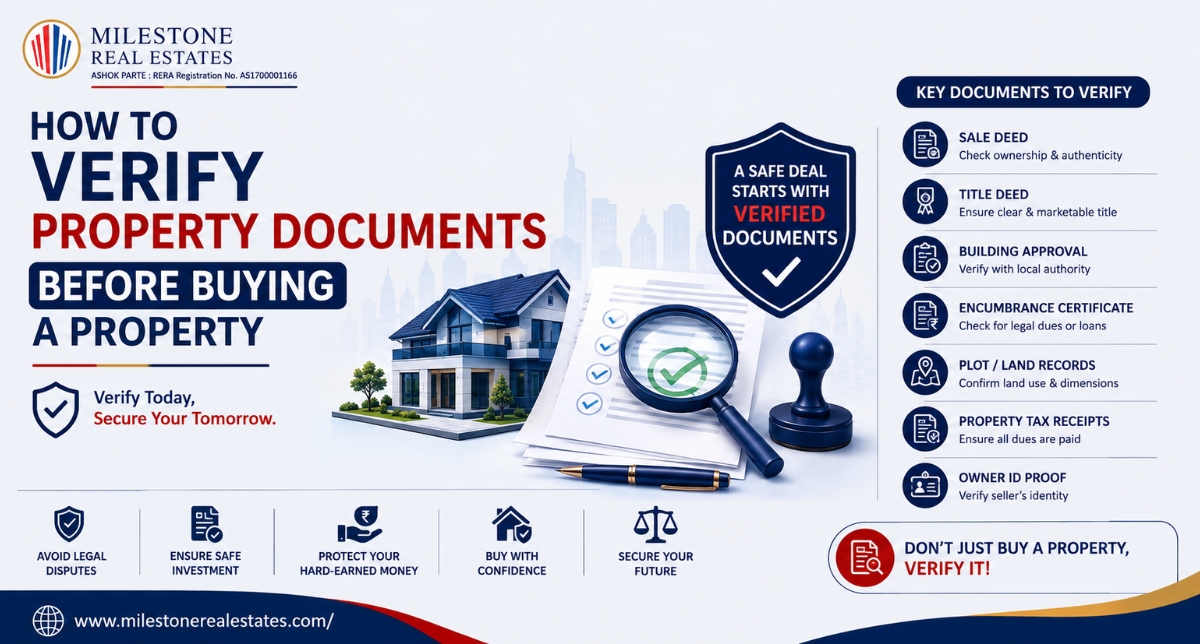
Buying a property is a major financial decision, and checking the paperwork carefully is one of the most important steps in the process. A beautiful apartment, attractive price, or promising location can make a property look perfect, but the documents confirm whether the transaction is legally sound. Taking time to understand and verify the paperwork can protect your money, reduce future complications, and give you greater confidence. A careful approach does not make the buying process difficult; instead, it makes the journey more transparent and organised from the beginning.
Start With Basic Ownership Details
The first step in Property Documents verification is understanding who legally owns the property. The seller's name should match the ownership records and other official documents. Buyers should also check whether the property has any existing loans, disputes, claims, or restrictions. If multiple people are listed as owners, every required party should be involved in the transaction.
Check the Title Deed
The Title Deed is an important document because it establishes ownership of the property. Buyers should carefully review the name of the owner, property description, boundaries, and previous ownership details. It is advisable to have the document reviewed by a qualified legal professional who can check whether the title is clear and whether there are any issues that could affect the transaction.
Review the Sale Agreement
Before making the final purchase, carefully examine the Sale Agreement. It should clearly mention the property details, purchase price, payment schedule, possession terms, responsibilities of both parties, and other important conditions. Buyers should read every clause rather than relying only on verbal explanations. Any unclear point should be discussed and clarified before signing.
Verify Project Registration
For applicable projects, checking RERA Registration is an important part of the verification process. Buyers can review project information, developer details, approvals, timelines, and other disclosures through the relevant authority's records. This provides useful information before making a financial commitment and helps buyers understand the project's official status.
Confirm Property Approvals
A responsible Property Buyer should verify that the required permissions and approvals are available for the project. Depending on the property and location, these may include sanctioned plans, building permissions, occupancy-related documents, and other local authority approvals. Reviewing these records helps confirm that the development has followed the required procedures.
Check Registration Details
Completing Property Registration is an important step in legally recording the transfer of ownership. Buyers should understand the registration process, applicable government charges, and documents required for completion. Keeping the registered agreement and payment records safely after the transaction is equally important for future reference.
Verify the Property's Legal Status
Proper Property Verification should cover more than ownership alone. Buyers should check whether there are outstanding dues, mortgages, legal disputes, or restrictions connected with the property. A legal professional can conduct the necessary searches and help identify potential concerns before the buyer completes the transaction.
Understand the Ownership History
Checking Property Ownership history can provide valuable information about how the property has changed hands over time. Buyers should review previous sale documents and ensure that ownership has been transferred correctly from one owner to another. A clear ownership history creates greater confidence and helps establish that the seller has the legal right to sell the property.
Do Not Depend Only on Verbal Assurances
When Buying Property, every important promise should be supported by written documentation. Details about amenities, possession dates, parking, payment terms, and other commitments should appear in the relevant agreement or official document. Written records provide clarity and help prevent misunderstandings between buyers and sellers.
Final Thoughts
Verifying property documents may require time and professional guidance, but it is one of the most valuable steps a buyer can take. Checking ownership, reviewing agreements, confirming approvals, verifying registration, and examining the property's legal history can create a much safer purchasing experience. Buyers should never feel pressured to skip documentation checks because of a limited-time offer or attractive price. A transparent transaction begins with proper verification. By staying patient, asking questions, and seeking qualified legal advice when necessary, buyers can move forward with confidence and enjoy the long-term security that comes with well-documented property ownership.